
At TU Wien, researcher Veronika Rosecker and her colleagues have demonstrated a new route for producing the medical isotope copper-64, a material used widely in PET imaging and being explored for targeted cancer therapies. Their work focuses on finding an alternative to the long-standing production method that relies on cyclotrons and enriched nickel targets, both of which contribute to the high cost and limited availability of the isotope.
Pressler, M., Denk, C., Mikula, H., & Rosecker, V. (2025). Fast and easy reactor-based production of copper-64 with high molar activities using recoil chemistry. Dalton Transactions, 54(42), 15701–15704. https://doi.org/10.1039/D5DT02046H
Copper-64 is typically generated by bombarding nickel-64 with protons. When the nucleus absorbs a proton and emits a neutron, it is transformed into copper-64. While reliable, this method requires access to specialised accelerator facilities and a steady supply of nickel-64, which is rare and expensive. Because PET radiopharmaceuticals depend on regular and predictable supply chains, researchers have been interested for years in whether copper-64 could be produced in a simpler and more affordable way.
Veronika Rosecker from TU Wien stated,
“This means that Cu-63 and Cu-64 can now be cleanly separated. The Cu-63 atoms remain bound within the molecules, while the newly formed Cu-64 atoms are released. This makes it easy to separate the two isotopes chemically.”
A straightforward idea has been to irradiate naturally abundant copper-63 with neutrons inside a research reactor. Only one extra neutron is needed to convert copper-63 into the desired isotope. In practice, however, the approach has been difficult to use. Copper-64 and copper-63 are chemically indistinguishable, so after irradiation the mixture contains mostly stable copper with only trace amounts of the radioactive product, and it is nearly impossible to separate the two using traditional radiochemical techniques.
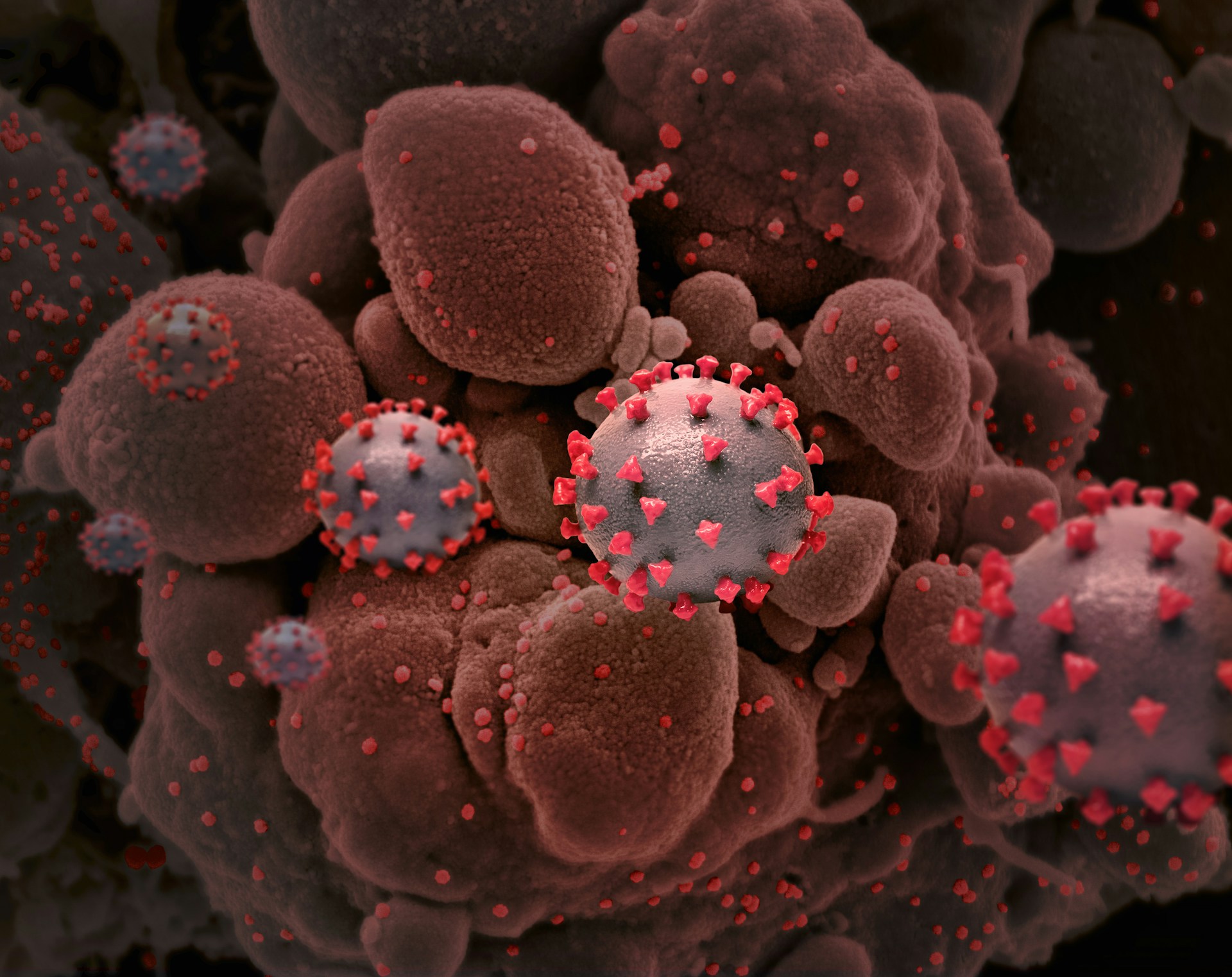
Rosecker’s team explored an older concept from nuclear chemistry known as recoil chemistry. Instead of irradiating metallic copper, they embedded copper atoms inside a specifically designed metal–organic complex. When one of these atoms absorbs a neutron and becomes copper-64, it carries excess nuclear energy. That energy is emitted almost immediately as a gamma photon, and the recoil from that emission pushes the newly formed copper-64 atom out of the molecule. The copper-63 atoms remain bound within the complex, while the copper-64 atoms detach and enter the surrounding solution.
This separation mechanism means that the isotope can be collected without the extensive purification steps required for nickel-based production. Similar recoil effects have been known for decades, but they have rarely been applied to medically relevant isotopes. The team’s results show that the idea is not only viable but capable of producing copper-64 with molar activities suitable for radiopharmaceutical use.
Identifying the right molecular complex was essential. It had to remain stable during reactor irradiation, hold the copper atoms firmly enough to distinguish between isotopes, and still dissolve in solution for chemical processing. The researchers developed a modified copper-phthalocyanine structure with properties similar to heme but adapted for radiochemical handling. Previous candidates in the literature tended to decompose under irradiation or were too insoluble to process efficiently. The chosen complex remained intact, and early experiments suggest that it can be reused without significant degradation.
While this technique does not replace cyclotron production in every setting, it could broaden access to copper-64 in regions where accelerators are limited. Research reactors are more widely distributed globally, and many operate with unused capacity for isotope production. Reactor-based methods could help reduce reliance on enriched nickel and provide additional supply pathways for hospitals and radiopharmacies.
The work also reframes how isotope engineers think about production challenges. Instead of viewing neutron irradiation as incompatible with chemical separation, Rosecker’s group has shown that the nuclear recoil process can be harnessed to create a physical separation step inside a single molecular structure. This could influence research beyond copper-64, especially for isotopes that differ only in neutron number and are therefore difficult to purify using chemical means.
The study adds a practical example to a long-standing theoretical idea and offers a production route that may eventually lower costs for imaging agents and broaden their availability. Whether the method becomes widely adopted will depend on how well it scales, the regulatory framework for reactor-generated isotopes, and the durability of the molecular complex over repeated cycles. For now, it marks a useful contribution to the broader effort to make radioisotope production more accessible and less dependent on costly infrastructure.

Adrian graduated with a Masters Degree (1st Class Honours) in Chemical Engineering from Chester University along with Harris. His master’s research aimed to develop a standardadised clean water oxygenation transfer procedure to test bubble diffusers that are currently used in the wastewater industry commercial market. He has also undergone placments in both US and China primarely focused within the R&D department and is an associate member of the Institute of Chemical Engineers (IChemE).