
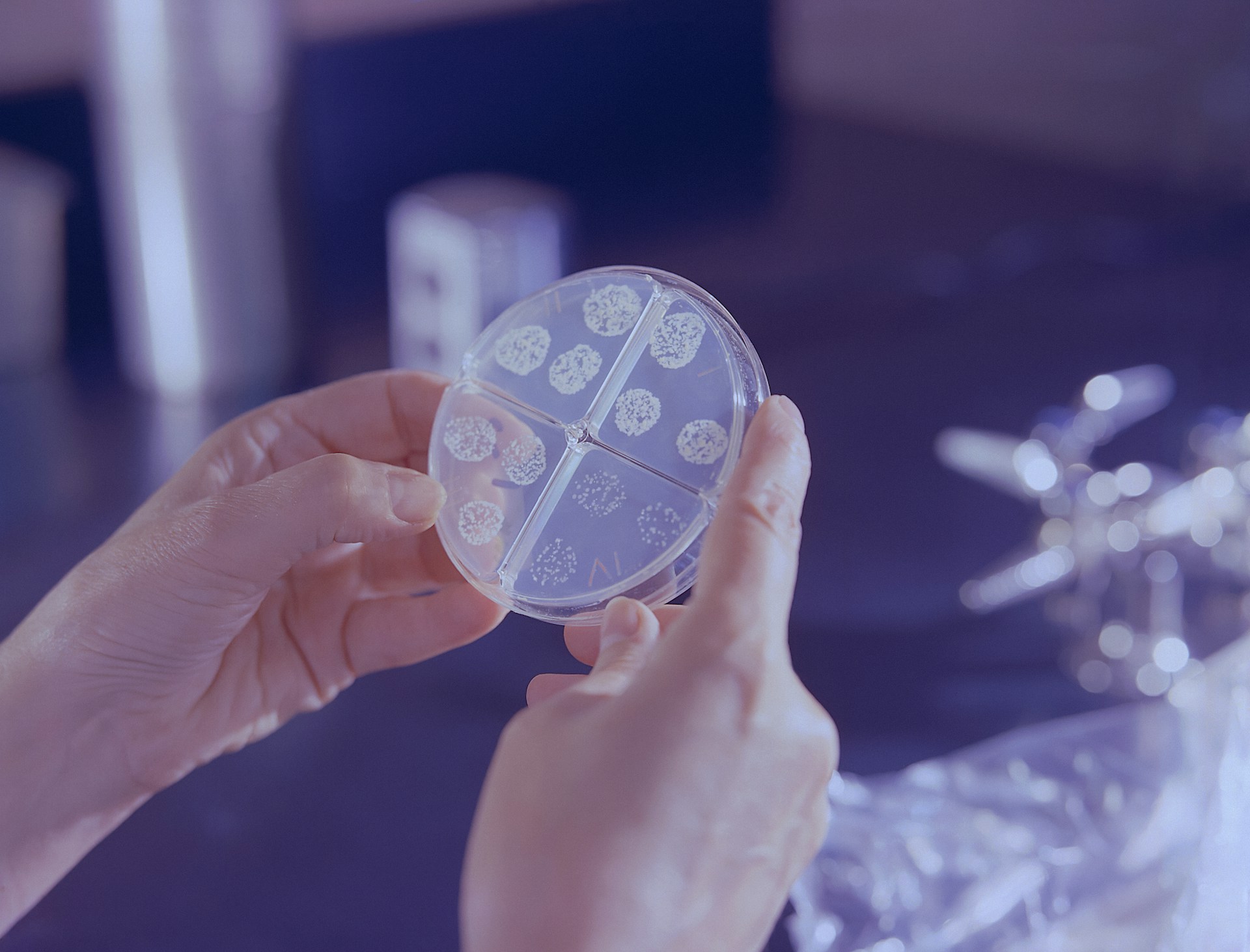

Hydrogels are widely used across biomedical engineering, from wound dressings to laboratory culture systems, yet their interaction with bacteria has remained difficult to predict. Researchers at the University of Warwick have now taken a closer look at how the physical properties of these materials influence microbial behavior. Led by Associate Professor Jérôme Charmet, the team conducted a systematic study showing that stiffness, hydration, and surface charge collectively determine how easily bacteria can grow within hydrogel environments.
Dach, E., Marston, J., Abu-Obaid, S., Peng, A., & Yip, N. Y. (2026). A novel approach for direct lithium extraction from alkali metal cations in brine mixtures using thermally switchable solvents. Joule, 102265. https://doi.org/10.1016/j.joule.2025.102265
Hydrogels are polymer networks that can absorb large amounts of water while maintaining a soft, flexible structure. Their ability to retain moisture makes them valuable in medical applications such as tissue repair and infection management. However, this same moisture can also create favorable conditions for bacterial growth. Previous studies often reported inconsistent findings, partly because researchers tended to examine chemical composition or nutrient conditions in isolation rather than considering the material’s mechanical characteristics.
Professor Jérôme Charmet from University of Warwick stated,
“Moisture helps wounds heal, but too much softness can also help bacteria. The challenge is designing dressings that stay wet enough for tissue repair while remaining mechanically hostile to microbes.”
To address this gap, the Warwick researchers evaluated how bacterial growth responds to multiple hydrogel parameters at once. The study included two types of agarose hydrogels with different chemical substitutions, each prepared at three concentrations to produce varying levels of stiffness and water content. Four bacterial species were tested, including both Gram-negative and Gram-positive organisms commonly used in microbiology research. In total, the experiments covered 120 distinct combinations of gel properties and growth conditions.
The results showed a consistent pattern across all bacterial species. Softer hydrogels with higher water content allowed bacteria to spread more rapidly, both on the surface and inside the material. In contrast, stiffer gels with lower hydration slowed bacterial expansion. The researchers attribute this effect primarily to physical constraints. Softer gels provide more space for cells to multiply and enable easier diffusion of nutrients, while firmer structures restrict movement and reduce nutrient transport efficiency.
Another important finding involved the role of nutrient media. Although different nutrient solutions did influence bacterial growth, their impact was largely indirect. Instead of acting solely as food sources, these solutions altered the mechanical behavior of the hydrogels by affecting water retention and structural stiffness. This observation helps explain why earlier experiments produced conflicting results when only nutrient composition was considered.
The study also identified a more selective mechanism linked to electrical charge. Some hydrogels carry negative charges, which can repel bacteria that possess similarly charged surface molecules. This electrostatic interaction became particularly noticeable in denser gels, where physical constraints and charge effects combined to further limit bacterial penetration and growth.
These findings have practical implications for both microbiology and materials engineering. In laboratory settings, understanding how gel properties influence microbial behavior could help researchers design more reliable culture systems. In biomedical engineering, the results point toward strategies for reducing infection risk without relying on chemical additives or antibiotics. Adjusting physical properties such as stiffness and hydration could allow wound dressings to remain moist enough to support tissue healing while still limiting bacterial expansion.
The work also contributes to a broader shift toward designing materials that influence biological processes through physical mechanisms rather than chemical intervention. As antibiotic resistance continues to pose a global challenge, engineering materials that create mechanically unfavorable environments for microbes may offer an additional layer of protection against infection.
By examining stiffness, hydration, nutrient effects, and surface charge together, the Warwick team has provided a clearer framework for understanding how hydrogels interact with bacteria. The study highlights how relatively subtle changes in material structure can significantly influence microbial behavior, reinforcing the importance of multiparameter design approaches in biomedical materials engineering.

Adrian graduated with a Masters Degree (1st Class Honours) in Chemical Engineering from Chester University along with Harris. His master’s research aimed to develop a standardadised clean water oxygenation transfer procedure to test bubble diffusers that are currently used in the wastewater industry commercial market. He has also undergone placments in both US and China primarely focused within the R&D department and is an associate member of the Institute of Chemical Engineers (IChemE).