
Research led by Dr. Parama Chakraborty Banerjee at Monash University is pointing toward a more sustainable way to recover critical metals from spent lithium-ion batteries, addressing a growing challenge at the intersection of energy storage, resource supply, and environmental protection. As battery use accelerates across electric vehicles and grid storage, the volume of end-of-life batteries continues to rise, placing pressure on existing recycling systems and raw material supply chains.
Biniaz, P., Gol, R., Askari, S., Zavabeti, A., Ali, Y., Bhattacharya, S., & Banerjee, P. C. (2026). Selective separation of Ni from Co and Mn in spent lithium-ion batteries using a novel tetramethylammonium chloride-based deep eutectic solvent. Sustainable Materials and Technologies, 47, e01815. https://doi.org/10.1016/j.susmat.2025.e01815
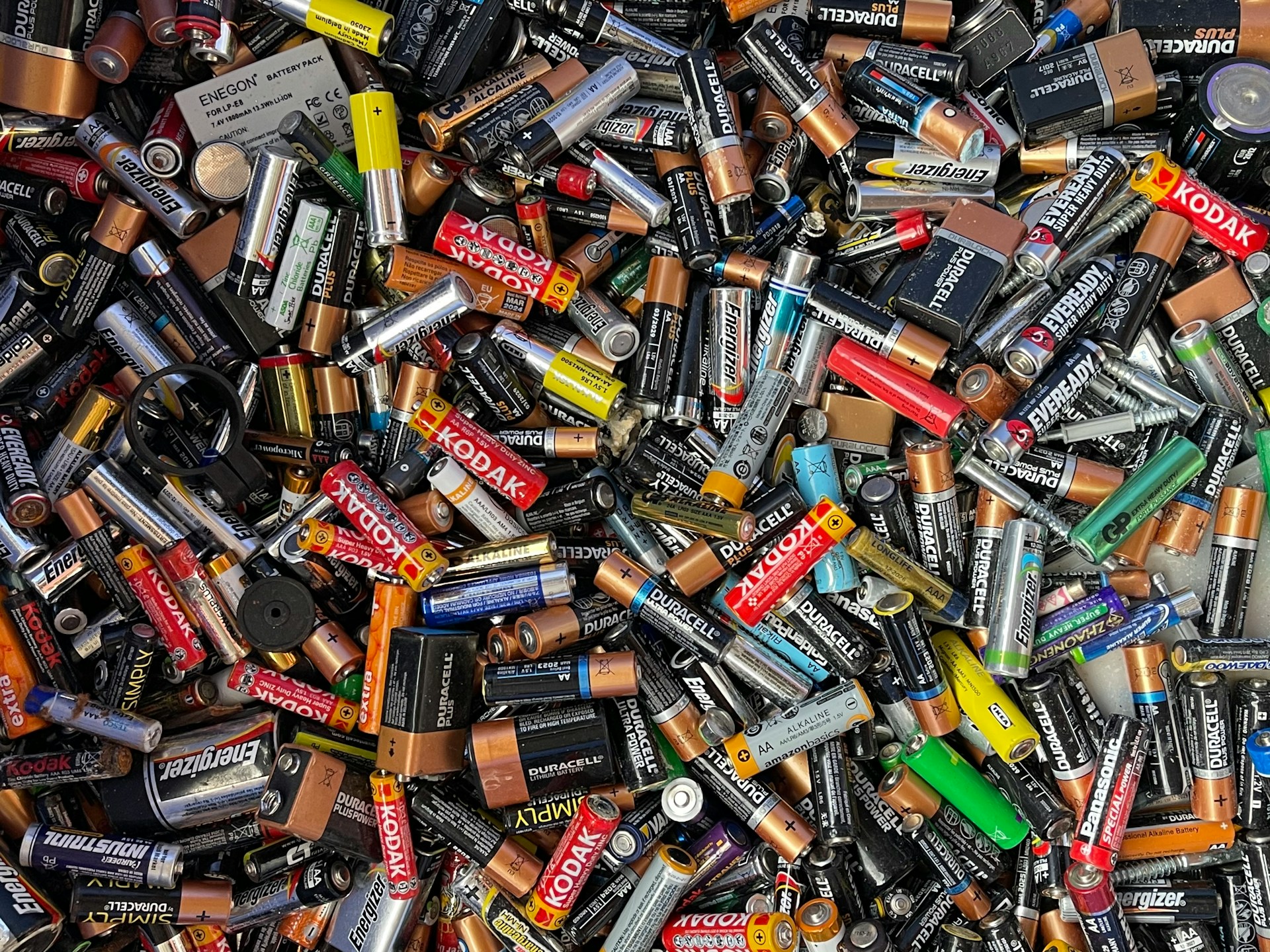
Lithium-ion batteries contain valuable metals such as lithium, nickel, cobalt, and manganese, most of which are concentrated in a material known as black mass after batteries are mechanically processed. This black mass also includes graphite, copper, and aluminum, creating a complex mixture that makes selective metal recovery difficult. In many regions, a large share of spent batteries still ends up in landfill, where toxic components can gradually leach into the environment.
Dr. Parama Chakraborty Banerjee at Monash University stated,
“This is the first report of selective recovery of high-purity Ni, Co, Mn, and Li from spent battery waste using a mild solvent.”
Traditional recycling methods typically rely on high-temperature smelting or strong acids to extract usable metals. While effective at recovering certain elements, these approaches consume large amounts of energy, generate hazardous waste streams, and often fail to recover all critical materials in a usable form. As demand for battery metals grows, these limitations have become increasingly significant from both economic and environmental perspectives.
The Monash research team developed an alternative process based on a deep eutectic solvent combined with an integrated chemical and electrochemical leaching strategy. Deep eutectic solvents are low-melting liquids formed from relatively benign components, offering a way to dissolve target metals without the need for harsh conditions. In this system, the solvent and electrochemical steps work together to selectively extract metals from mixed battery waste.
Experimental results showed that the method can recover more than 95 percent of nickel, cobalt, manganese, and lithium from industrial-grade black mass, even when multiple battery chemistries are present. The recovered metals were obtained at high purity, making them suitable for reuse in new battery materials rather than lower-value applications. The process also demonstrated the ability to separate nickel from cobalt and manganese, a step that is often difficult using conventional techniques.
Beyond lithium-ion batteries, the approach aligns with broader research into low-energy and low-toxicity methods for recovering critical materials. Similar solvent systems have been explored for electronic waste and mining residues, suggesting that the underlying principles could be adapted to other complex waste streams where valuable metals are dispersed and difficult to isolate.
From an engineering perspective, the work highlights how chemical process design and electrochemistry can contribute to a more circular materials economy. Recovering metals from existing waste reduces reliance on primary mining, lowers the environmental impact associated with raw material extraction, and improves the overall sustainability of battery technologies.
While further assessment is needed to evaluate scalability, cost, and long-term solvent performance, the study provides a practical framework for cleaner battery recycling. As the global inventory of spent batteries continues to grow, approaches like this may play an important role in ensuring that the transition to electrified energy systems is supported by equally sustainable materials management.

Adrian graduated with a Masters Degree (1st Class Honours) in Chemical Engineering from Chester University along with Harris. His master’s research aimed to develop a standardadised clean water oxygenation transfer procedure to test bubble diffusers that are currently used in the wastewater industry commercial market. He has also undergone placments in both US and China primarely focused within the R&D department and is an associate member of the Institute of Chemical Engineers (IChemE).